Why Music Producers Own Multiple Plugins
- by Peter Natale
- From The Producer's Desk
If you’ve ever looked at a producer’s plugin folder and thought, “Why do they have ten EQs and five compressors?”, you’re not alone. To the untrained eye, it might seem excessive, after all, an EQ is just an EQ, right? But much like a guitarist owning multiple guitars, each with its own tone and personality, music producers and engineers often build collections of tools that overlap in function but differ in character, workflow, and inspiration. Here’s why owning multiple music software products that “do the same job” is not only common, it’s smart.
1. Every Tool Has Its Own Sonic Personality
Not all EQs or compressors are created equal. Some are clean and transparent, while others add color, warmth, or even subtle distortion that enhances a mix.
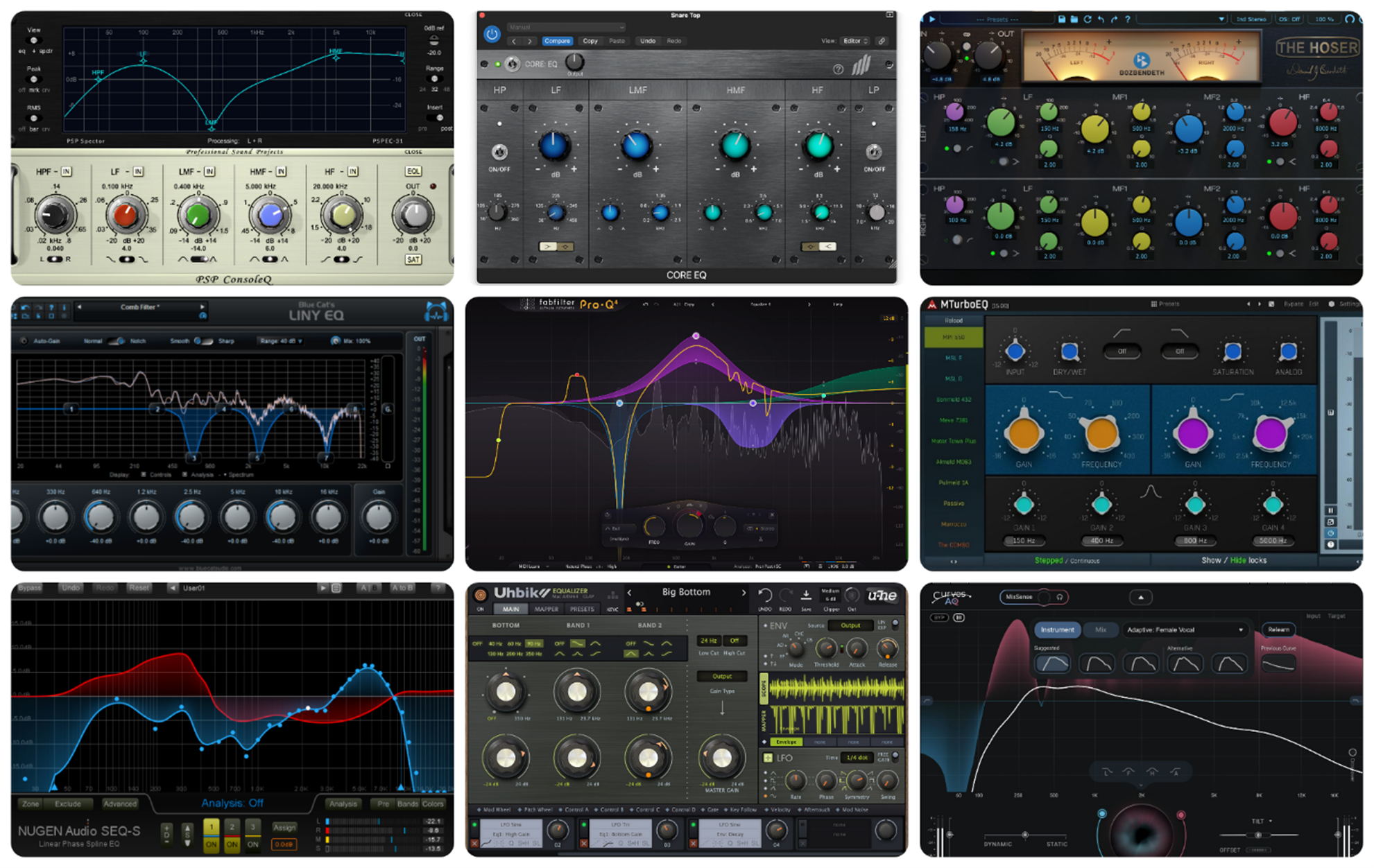
For example: FabFilter Pro-Q gives you surgical precision for technical adjustments, while a Pultec-style EQ plugin adds smooth, musical curves perfect for enhancing tone. Similarly, compressors range from ultra-transparent (like DMG TrackComp or Pro-C) to character-driven (like an 1176 emulation). The right one depends on what you’re trying to feel, not just what you’re trying to fix.
2. Different Tools Inspire Different Results
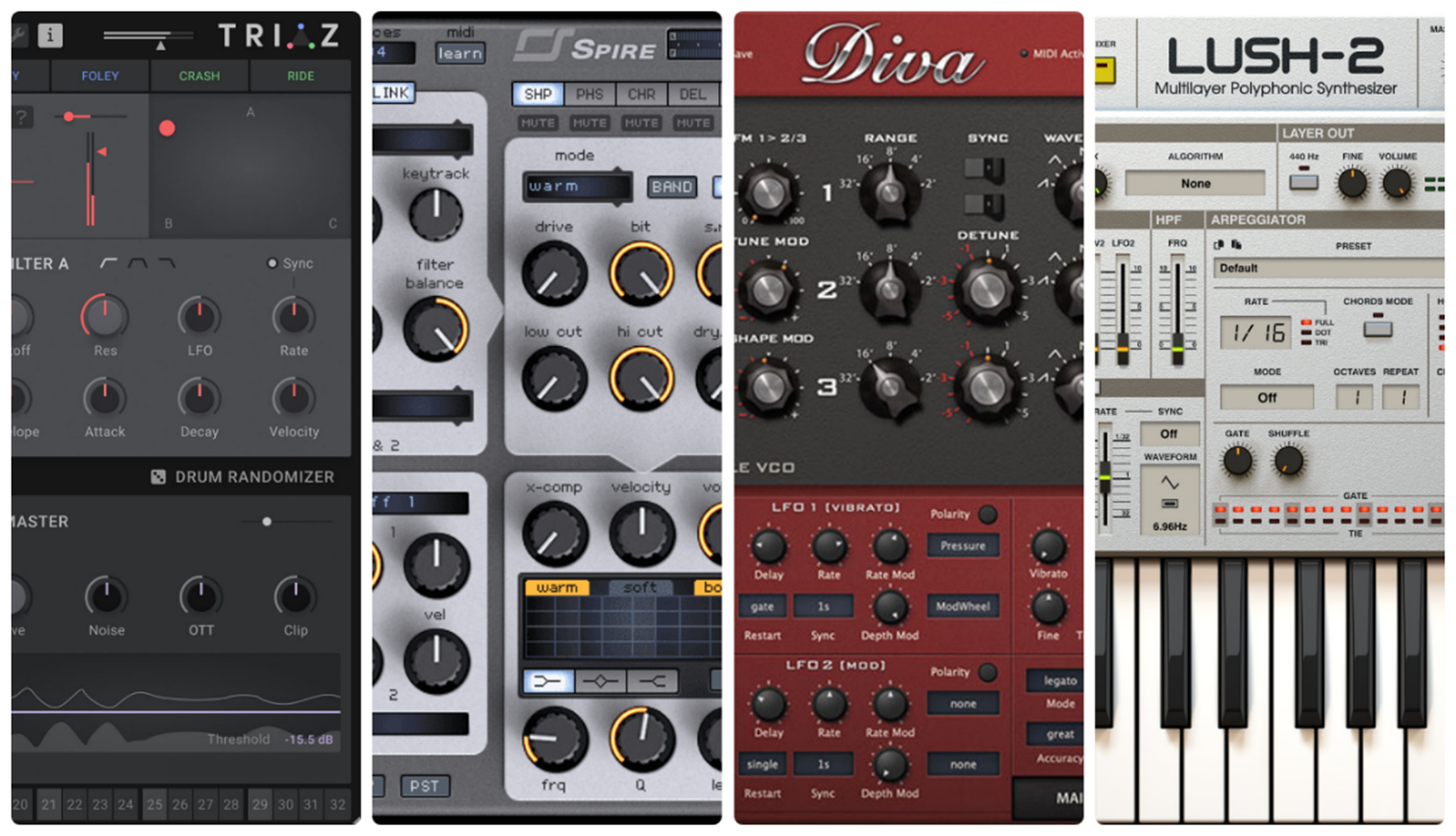
The interface and workflow of a plugin can dramatically affect creativity. A minimalist, visual plugin might help you work faster, while a vintage-style interface can push you to trust your ears more. Just like a guitar player reaches for a Stratocaster when they want a bright, punchy tone versus a Les Paul for warm sustain, producers switch between plugins to chase a vibe. Sometimes, the mere look and feel of a plugin inspires a different approach. That’s why some producers keep “go-to” plugins for creative flow and others for precise engineering.
3. Flexibility Across Different Genres and Projects
Producers often work across multiple genres, and each has its own sound aesthetic.
- An electronic track might demand clean, digital precision.
- A soul or jazz mix might benefit from analog emulation and harmonic richness.
- A podcast or film mix might need transparent, broadcast-ready clarity.
Having multiple options lets you adapt to each style seamlessly, much like how a session guitarist might bring several instruments to a single recording date.
4. Layering and Stacking for Unique Results
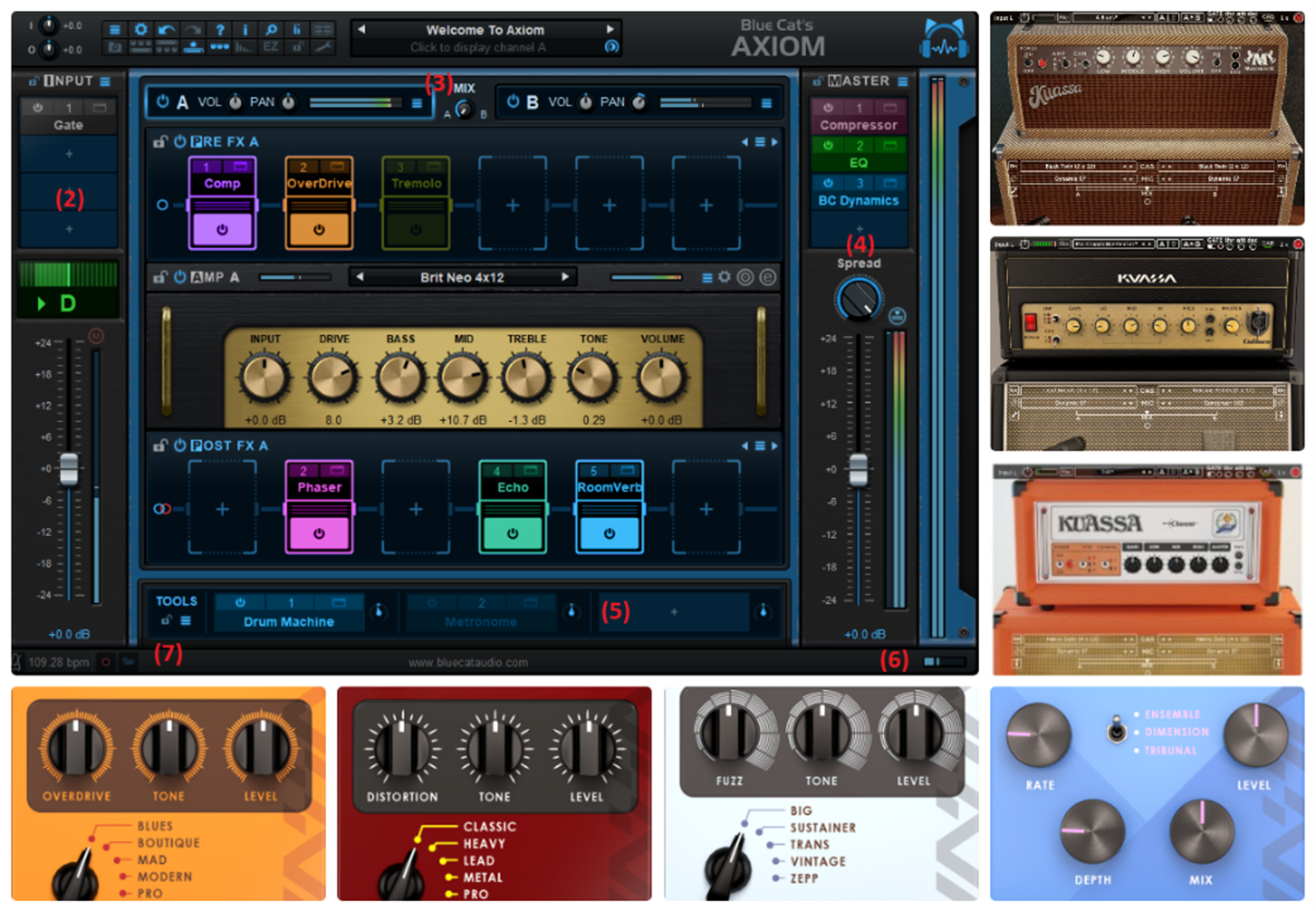
Sometimes, the magic happens when you combine tools. One EQ might remove harshness, while another adds musical tone. Two compressors in series can create punch and glue that one alone can’t. This layered approach mirrors how instrumentalists layer different pedals or amplifiers, each adding a piece of the final sound puzzle.
5. Redundancy is Reliability
When deadlines are tight or software updates cause compatibility issues, having multiple options means you’re never stuck. If one plugin crashes, another can step in. Professionals build redundancy into their setup for peace of mind, just as a touring guitarist carries backup instruments.
6. Growth and Experimentation
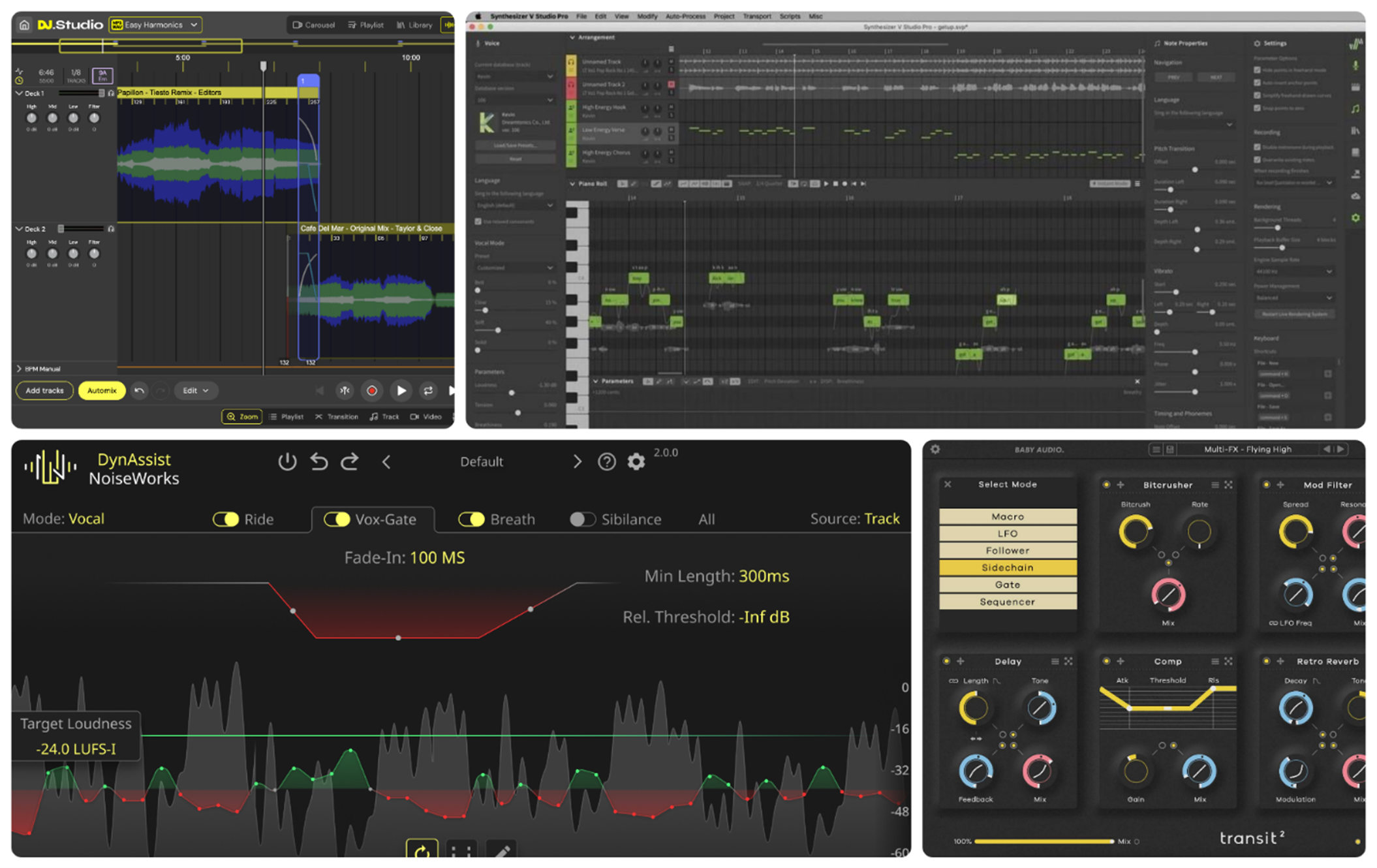
Your taste evolves over time, and so do the tools. Owning multiple software products encourages experimentation and helps you learn the subtle nuances of sound shaping. Trying different plugins teaches you how various algorithms, saturation types, and dynamic responses behave, ultimately making you a better mixer and producer.
7. The Emotional Connection
Let’s be honest: sometimes, you just love a particular plugin. Maybe the GUI feels right. Maybe you like how it makes your mix “pop.” Or maybe it reminds you of a classic piece of gear you always wanted. Music production is an art, and artists connect emotionally with their tools. Owning multiple options is part of the joy of the craft.
Conclusion: It’s About Choice, Not Excess
Owning multiple EQs, compressors, reverbs, or synths isn’t about showing off, it’s about having the right palette to express yourself fully. Each tool offers a slightly different color, workflow, or feel that might be just right for the moment.
Just as guitarists switch instruments to match the mood of a song, producers reach for different plugins to match the emotion of the mix. In the end, the more options you have, the more ways you can create, explore, and shape sound on your own terms.
Author

Peter Natale
Peter Natale is a JUNO-nominated songwriter and producer from Toronto who has collaborated with renowned artists including Nick Carter, Adina Howard, God Made Me Funky, and Jully Black. In 2016, he co-founded Sun Dragon Creative, where he is actively developing innovative music plugins focused on enhancing workflow and creativity for modern producers. Today, he brings that same passion and industry insight to his role as an Account Manager at Music Marketing, where he partners with some of the most forward-thinking music software brands, helping drive growth and connect cutting-edge tools with creators around the world.