Beyond the Flagship: BOOM Library
- by Peter Natale
- Under The Hood
The plugins you missed from the brands you trust
You Know the Name. But Not the Full Story.
When most people think of BOOM Library, they immediately think of high-end cinematic sound effects, explosions, impacts, risers, whooshes, and detailed Foley libraries built for film, trailers, and game audio. That reputation is well earned. BOOM has become a go-to source for raw sound material at a professional level.
But what rarely gets talked about is that BOOM also has a fully developed suite of creative tools that sit alongside their libraries, an ecosystem of plugins designed not to provide sound, but to transform it. Under the hood, this is where BOOM starts to feel less like a sound library company and more like a sound design instrument manufacturer.
The plugin lineup inside BOOM’s ecosystem is built around one core idea: speed up cinematic sound design without sacrificing control. Instead of forcing users to stack multiple processors, automate complex chains, or jump between tools, these plugins compress entire workflows into single-purpose creative interfaces.
More Than Libraries: A Sound-Shaping System
BOOM: liftFX
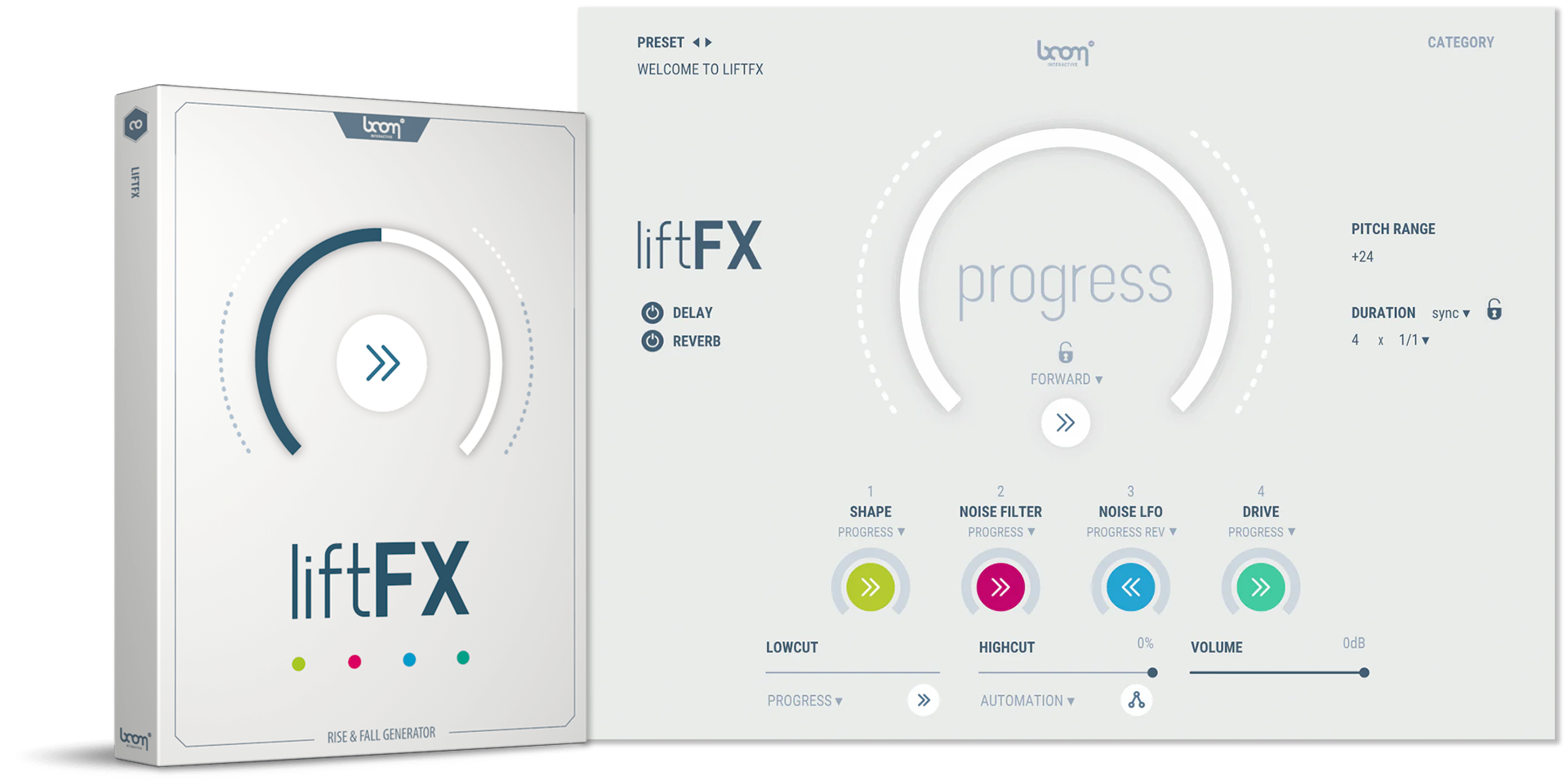
Tools like LiftFX are a good example of this approach. Rather than building risers manually through layered noise, pitch automation, and reverb design, LiftFX turns that entire process into a performance tool. You can generate motion-based transitions in real time, shaping tension and release with simplified controls instead of traditional DAW automation.
BOOM: Enrage
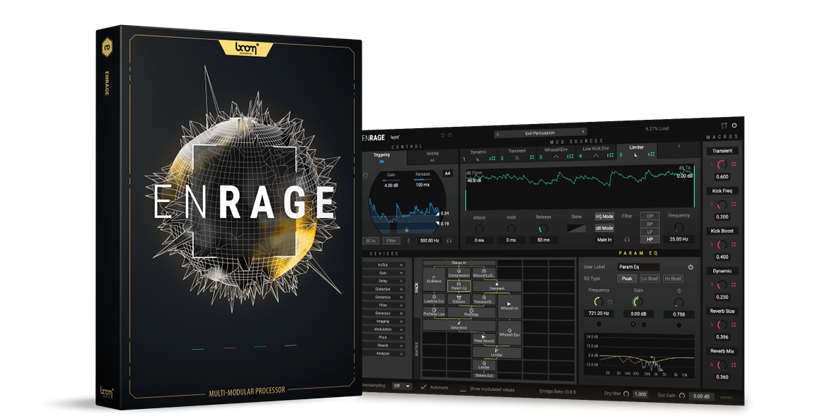
Then there’s Enrage, which focuses on aggressive sound transformation. Instead of subtle saturation or traditional distortion curves, Enrage is built for cinematic intensity, designed to push impacts, drums, and sound effects into exaggerated, larger-than-life textures that cut through dense mixes. It’s less about realism and more about controlled destruction of the original signal.
Designed for Film Workflow, Not Traditional Music Production
What makes this ecosystem interesting is that it isn’t really designed around music production workflows. It’s built for trailers, film, and game audio, where speed, impact, and dramatic movement matter more than traditional mixing conventions.
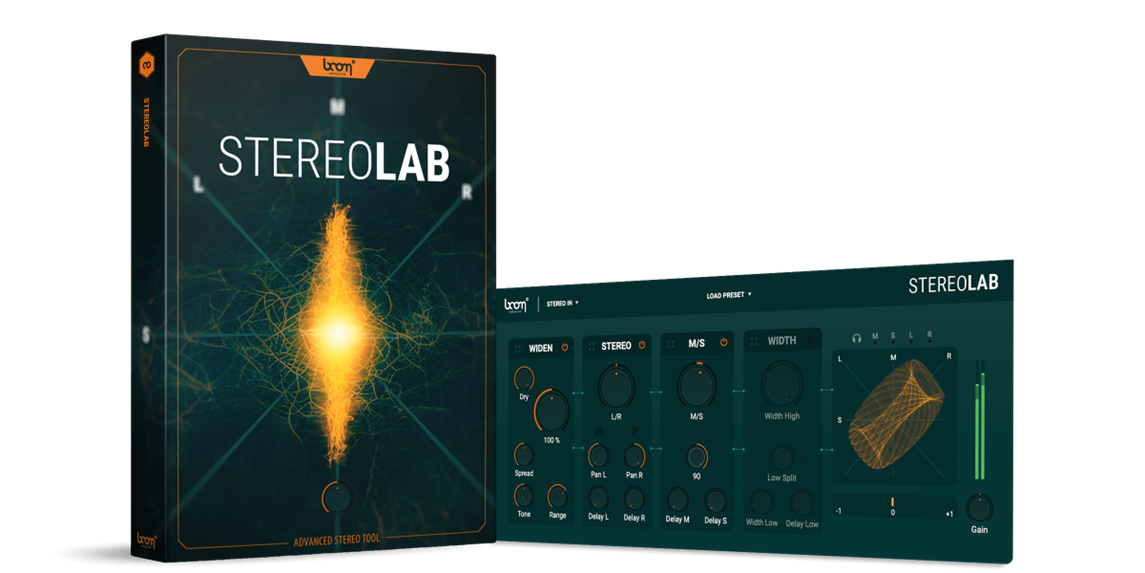
That’s why plugins like Stereolab exist. Instead of being a general-purpose imaging tool, it’s designed specifically for controlling cinematic width and mono compatibility in high-intensity mixes. It gives sound designers quick control over spatial placement without needing complex routing or multi-plugin chains.
BOOM: Uberloud
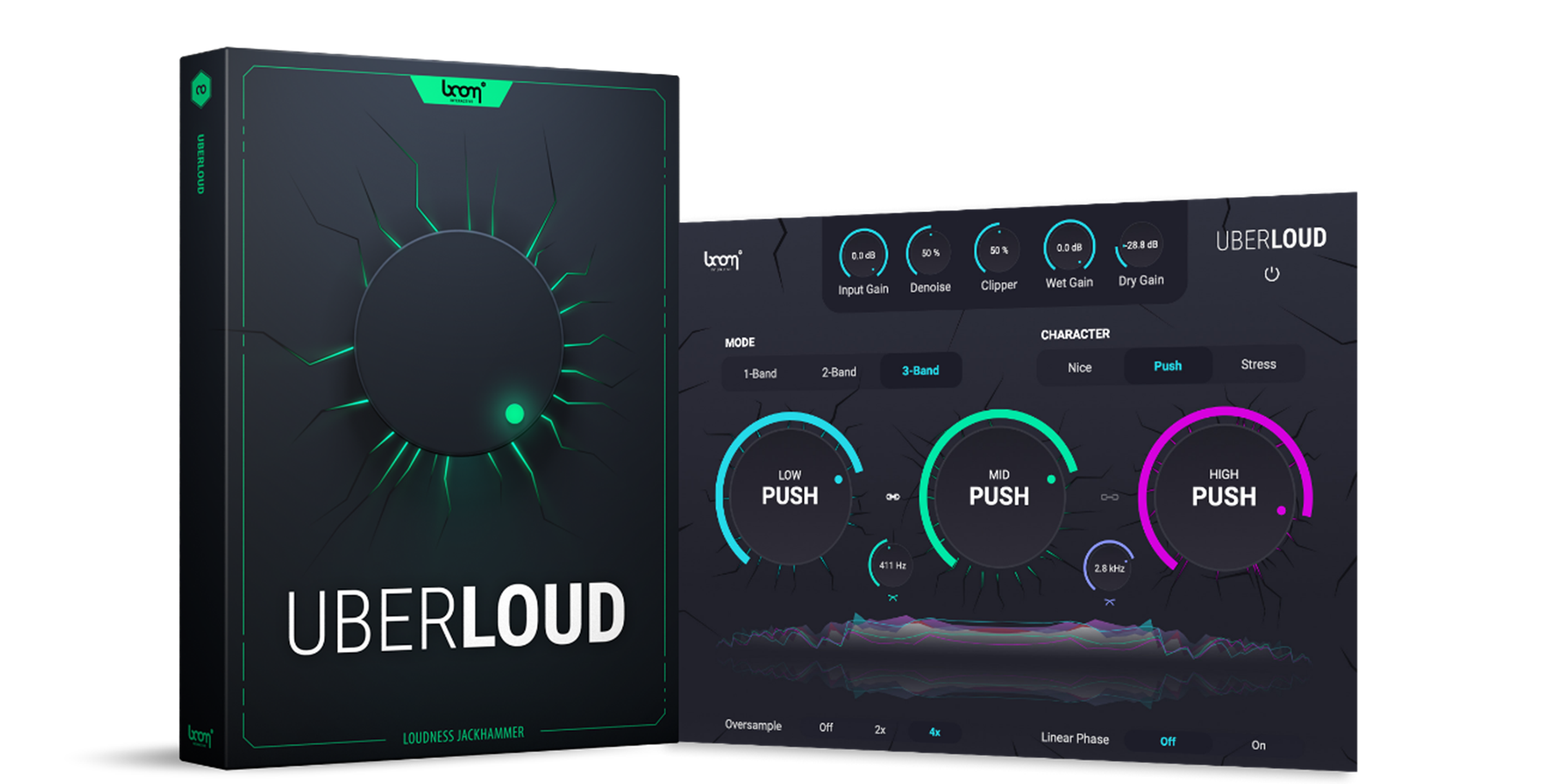
Similarly, tools like Uberloud focus on perceived loudness and impact shaping rather than precision mastering. The goal isn’t subtle levelling, it’s making elements feel physically larger, more present, and more aggressive in a cinematic context.
Why Most People Miss This Entire Ecosystem
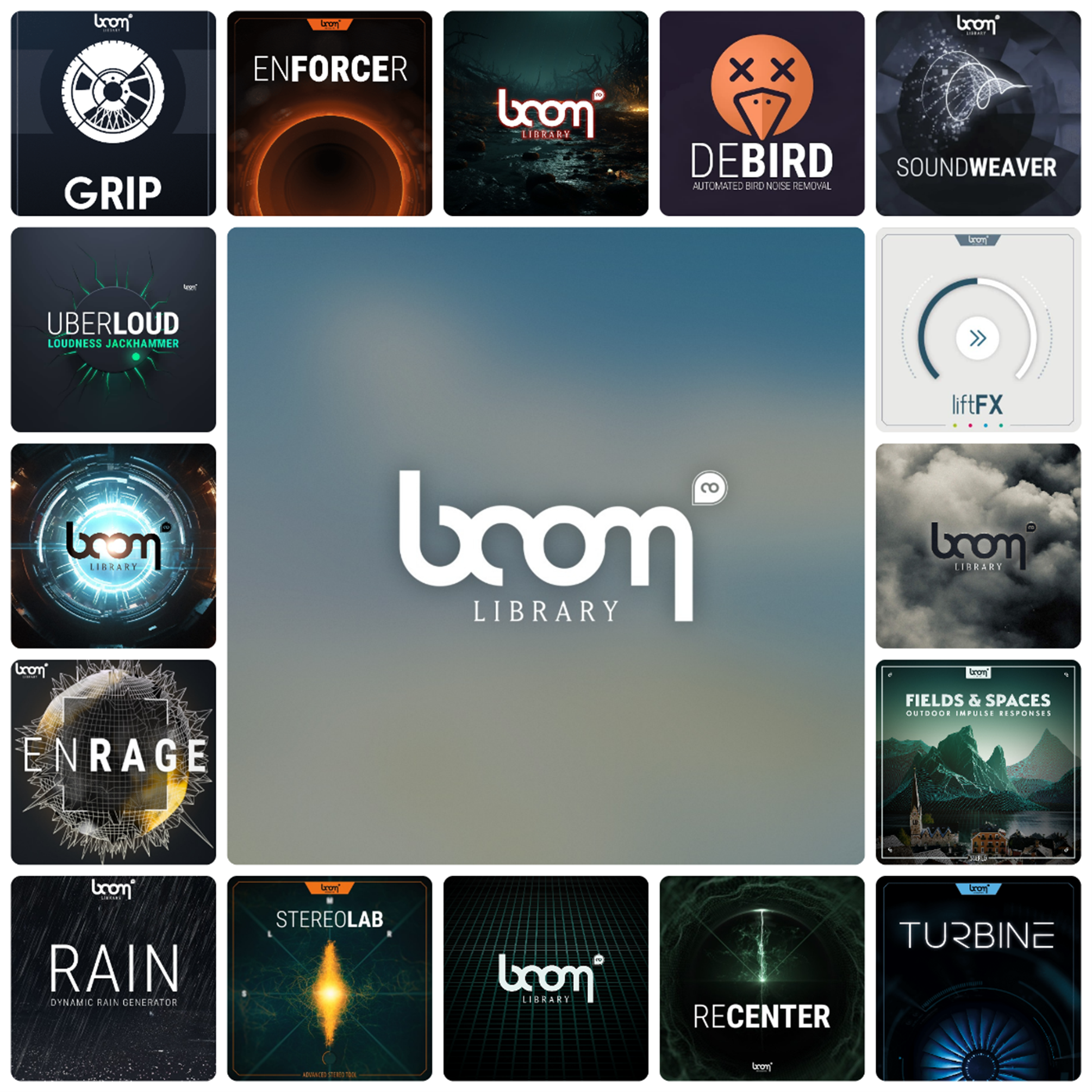
The reason this side of BOOM Library is so overlooked is simple: their identity is overwhelmingly tied to sound libraries. Most users never think to explore beyond the asset catalog, so the plugin ecosystem quietly sits in the background despite being purpose-built for the same audience.
There’s also a workflow mindset at play. Many BOOM users already operate in fast-paced post-production environments where sound libraries are the primary focus. Plugins become secondary tools, even when those plugins are designed specifically to enhance and accelerate the very sounds they’re already using.
The Real Shift: From Sound Library to Sound Instrument
Under the hood, what BOOM has actually built is a bridge between static assets and performance-based sound design. Instead of simply dragging effects into a timeline, these plugins encourage users to treat sound design as something interactive, something that can be performed, shaped, and pushed in real time.
That shift is subtle, but important. It turns BOOM from a company that sells sounds into a company that also provides the tools to perform with them. And for most users, that entire layer of their ecosystem is still hiding in plain sight.
Author

Peter Natale
Peter Natale is a JUNO-nominated songwriter and producer from Toronto who has collaborated with renowned artists including Nick Carter, Adina Howard, God Made Me Funky, and Jully Black. In 2016, he co-founded Sun Dragon Creative, where he is actively developing innovative music plugins focused on enhancing workflow and creativity for modern producers. Today, he brings that same passion and industry insight to his role as an Account Manager at Music Marketing, where he partners with some of the most forward-thinking music software brands, helping drive growth and connect cutting-edge tools with creators around the world.